
Tokenized Stocks vs ETFs at a Glance
Tokenized stock | ETF (and tokenized ETF) | |
|---|---|---|
Exposure | One company | A basket of many holdings |
Diversification | None (single name) | Built-in |
Volatility | Higher (concentrated) | Lower (spread across holdings) |
Example | AAPL, NVDA, TSLA token | S&P 500, sector, or thematic fund |
Best for | Conviction in one company | Broad or thematic exposure |
Onchain form | Backed 1:1 by the share | Backed by the fund's holdings |
Both, in tokenized form, settle onchain, trade around the clock, and can be held self-custodially, subject to jurisdiction.
What Is a Tokenized Stock?
A tokenized stock is a blockchain token representing one company's shares, backed 1:1 by the real shares held with a regulated custodian.
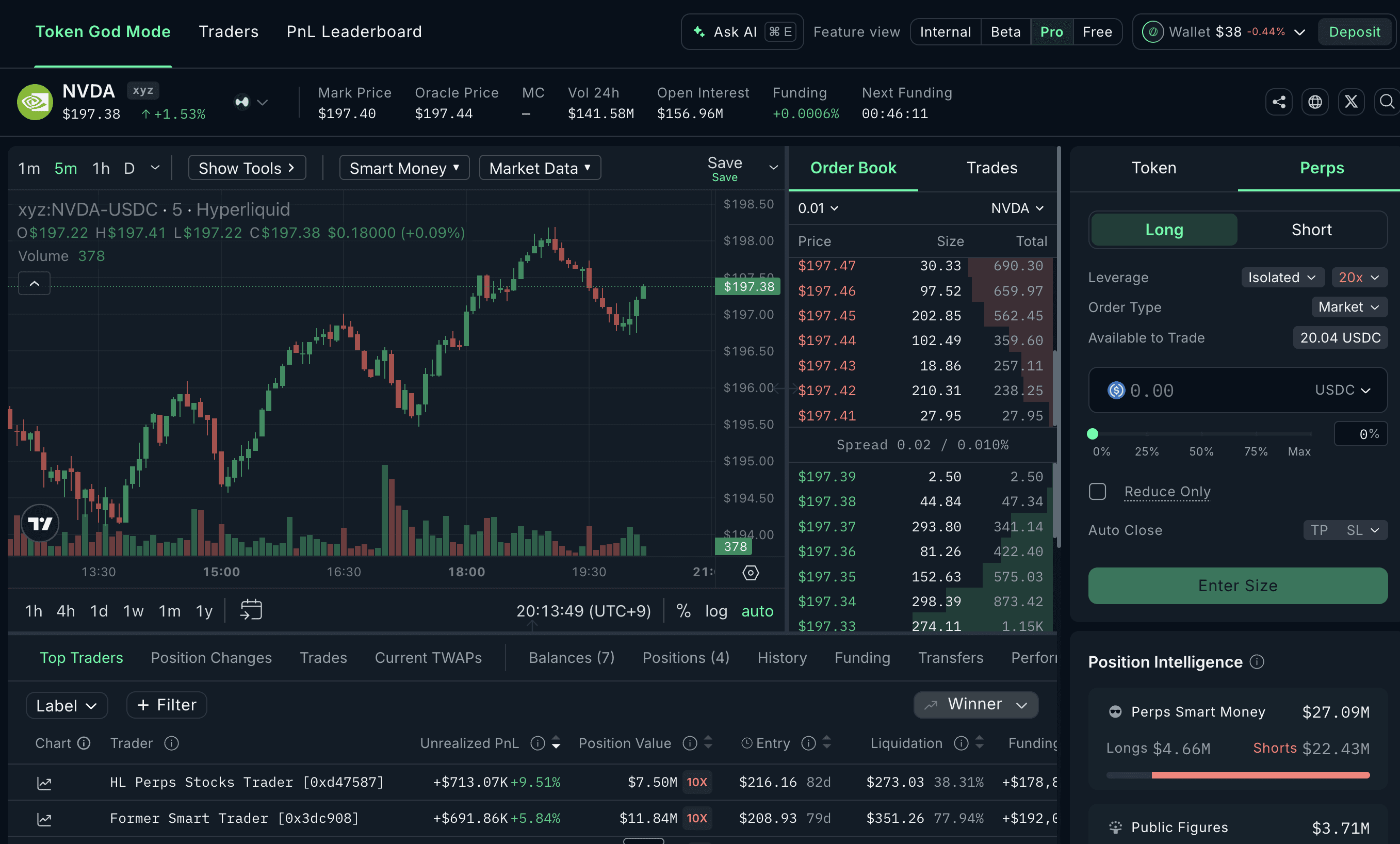
Buy a tokenized Nvidia share and your outcome is tied entirely to Nvidia. If it rises, you gain; if it falls, you fall with it, with no cushion from other holdings.
That concentration is the point when you have a specific view on a specific company. For the full mechanics, read what are tokenized stocks.
What Is an ETF?
An ETF (exchange-traded fund) is a single instrument that holds a basket of assets, so buying one share gives you proportional exposure to everything inside it.
An S&P 500 ETF, for instance, spreads your money across 500 large US companies at once. If one stumbles, the others can offset it. ETFs are the standard tool for diversification, broad-market exposure, or thematic bets (a sector, a country, a trend) without picking individual winners.
What Are Tokenized ETFs?
Tokenized ETFs are the onchain version of that basket: a token that represents a diversified fund, backed by the fund's underlying holdings.
They are a newer and still smaller category than tokenized single stocks, growing from a low base with a wide long tail of funds. A tokenized S&P 500 product, for example, packages broad-market exposure into one onchain token that settles 24/7. The appeal is the same as a traditional ETF, diversification in a single instrument, with the onchain benefits of continuous settlement and self-custody.
Concentration vs Diversification: How to Choose
The decision mirrors traditional investing, with onchain settlement layered on top:
Choose a tokenized stock when you have conviction in a specific company and want full, direct exposure to it. Higher potential reward, higher risk, no diversification.
Choose an ETF (or tokenized ETF) when you want broad or thematic exposure, lower single-name risk, and less need to be right about any one company.
Many people hold both: ETFs for a diversified core, single tokenized stocks for higher-conviction positions around it. Neither is "better" in the abstract; they answer different questions.
Where Do Stock Perps Fit?
Neither tokenized stocks nor ETFs involve leverage. Both are spot ownership.
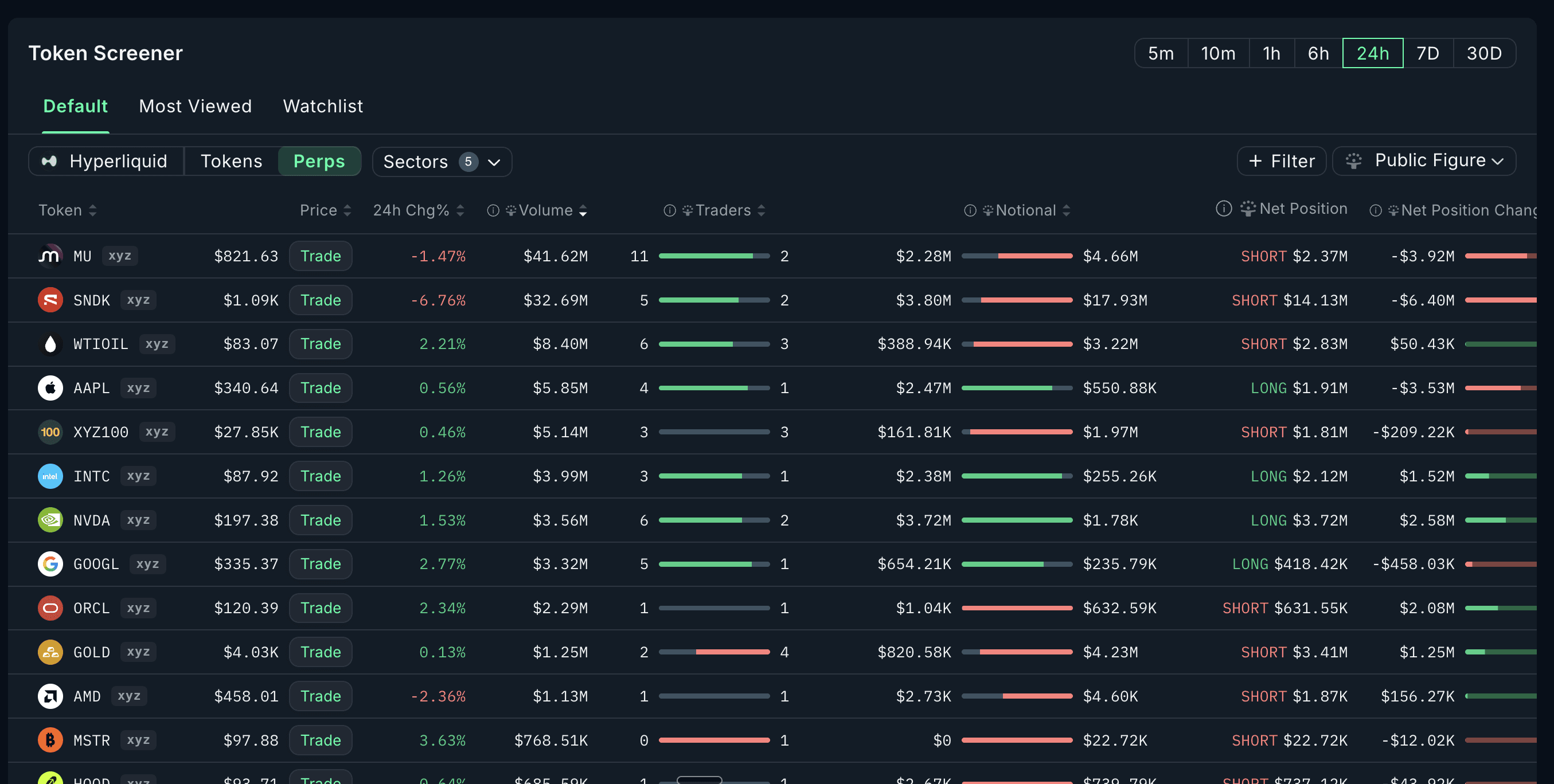
If your goal is to trade a stock or index price with leverage, and to be able to go short, that is a different product entirely: a stock perp. Stock perps are leveraged synthetic contracts that reference a price without holding the underlying, and they can be liquidated. Do not confuse leveraged synthetic exposure with owning a backed token. For the wider map, see tokenized assets explained.
Risks to Weigh
Single-name risk (tokenized stocks). No diversification means a bad quarter for one company hits your whole position.
Basket does not equal safety (ETFs). Diversification reduces single-name risk, not market risk. A broad ETF still falls in a broad selloff.
Issuer and custody dependence (both). You rely on the issuer to hold the underlying and honor redemptions.
Off-hours price gaps. When the underlying market is closed, tokenized prices can diverge from where assets will reopen.
Regulatory and jurisdictional limits. Availability of tokenized equities and ETFs varies by region and issuer. Check what you can access.
Liquidity differences. Blue-chip tokens and major index products trade actively; niche funds and long-tail names can be thin.
Reading the Onchain Signal
Because tokenized stocks and ETFs settle onchain, the flows behind them are visible, unlike traditional brokerage order flow.
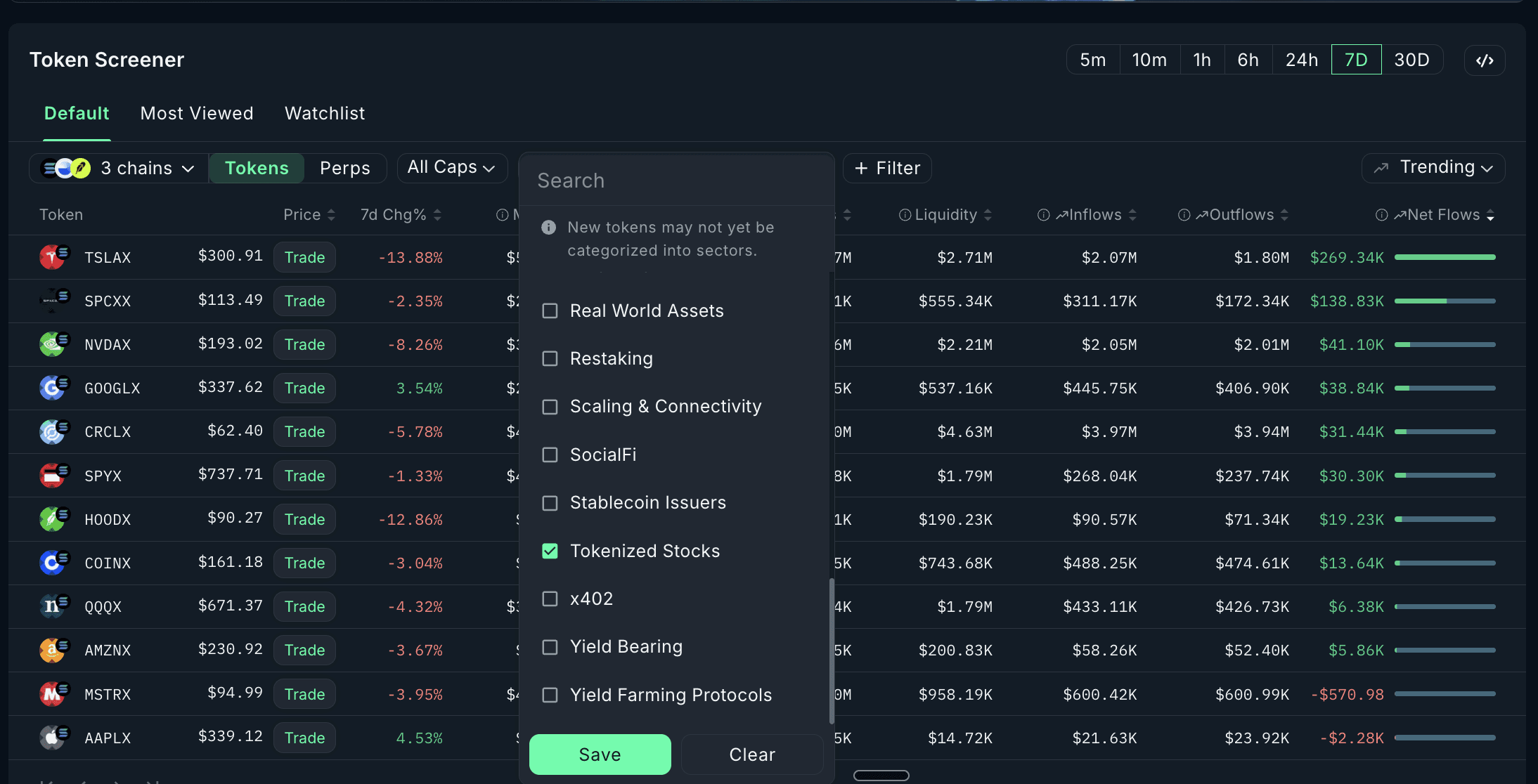
With Nansen, you can see whether Smart Money, wallets with verified track records across 500M+ labeled addresses, is accumulating or distributing a given tokenized asset, and how positioning is shifting. It is an information layer that traditional stock and ETF markets structurally cannot offer.
FAQ: Tokenized Stocks vs ETFs
What is the difference between a tokenized stock and an ETF? A tokenized stock is onchain exposure to one company, backed 1:1 by its shares. An ETF is a single instrument holding a diversified basket of many assets. Concentration versus diversification.
Are tokenized ETFs available? Yes, as a newer and smaller category than tokenized single stocks. They represent a diversified fund onchain, backed by the fund's holdings, and are growing from a low base.
Which is safer, a tokenized stock or an ETF? An ETF's diversification reduces single-company risk, but not overall market risk. Neither removes market risk, and both depend on the issuer and custody arrangements.
Can I hold both? Yes. A common approach is a diversified ETF core with individual tokenized stocks for higher-conviction positions.
Do tokenized stocks or ETFs use leverage? No. Both are spot ownership. Leveraged, shortable exposure to a stock or index price is a stock perp, a different and riskier product.
Do these trade 24/7? Onchain settlement runs continuously. Because the underlying stocks trade during set hours, tokenized prices can gap when traditional markets are closed.
Conclusion
Tokenized stocks versus ETFs is the classic concentration-versus-diversification choice, now settling onchain around the clock.
Pick single tokenized stocks for conviction in one company, and ETFs (increasingly available in tokenized form) for diversified or thematic exposure.
Just keep the categories straight: both are spot ownership, and neither is a leveraged stock perp.